


 Koshi Tapu Wildlife Reserve Road less Travel Koshi Tapu Wildlife Reserve Road less Travel Koshi Tapu Wildlife Reserve Road less Travel
Overview
Set along the eastern floodplains of the Sapta Koshi River, Koshi Tappu Wildlife Reserve protects Nepal’s most significant wetland ecosystem. Known for its vast birdlife and wide grasslands, the reserve is the country’s foremost destination for birdwatching and home to the endangered wild water buffalo, locally known as Arna.
Location & Accessibility
Distance from Kathmandu: Approximately 450 km by road or a short flight to Biratnagar followed by a two-hour drive.
Nearest Hub: Biratnagar.
-
 By Road
A full-day journey from Kathmandu using tourist buses, private vehicles, or jeeps. -
 By Air
Regular flights connect Kathmandu to Biratnagar; onward travel is by road. -
 By Trek
Not applicable.
Key Highlights
01. Seasonal wetlands
02. Braided river channels
03. Expansive grasslands
04. Exceptional migratory bird populations
05. Sightings of wild water buffalo
06. River dolphins
07. Rich wetland biodiversity
 Places To See
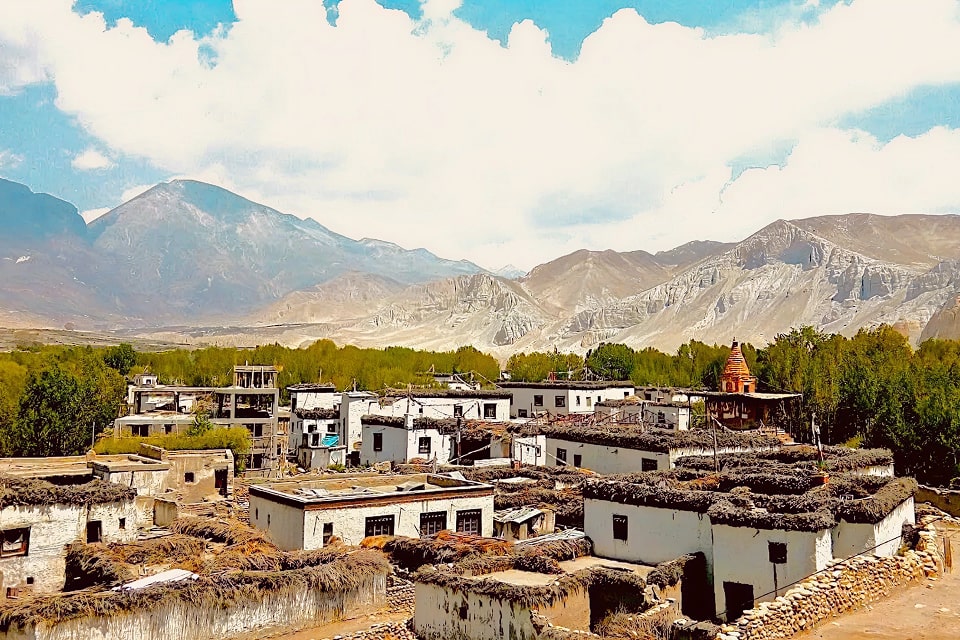
 Places To See
Nature

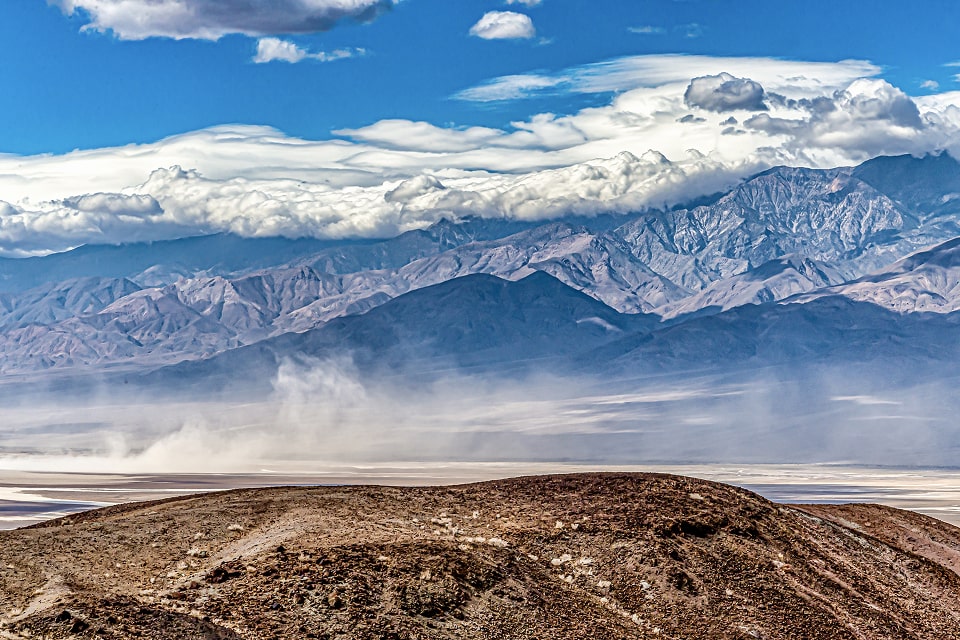
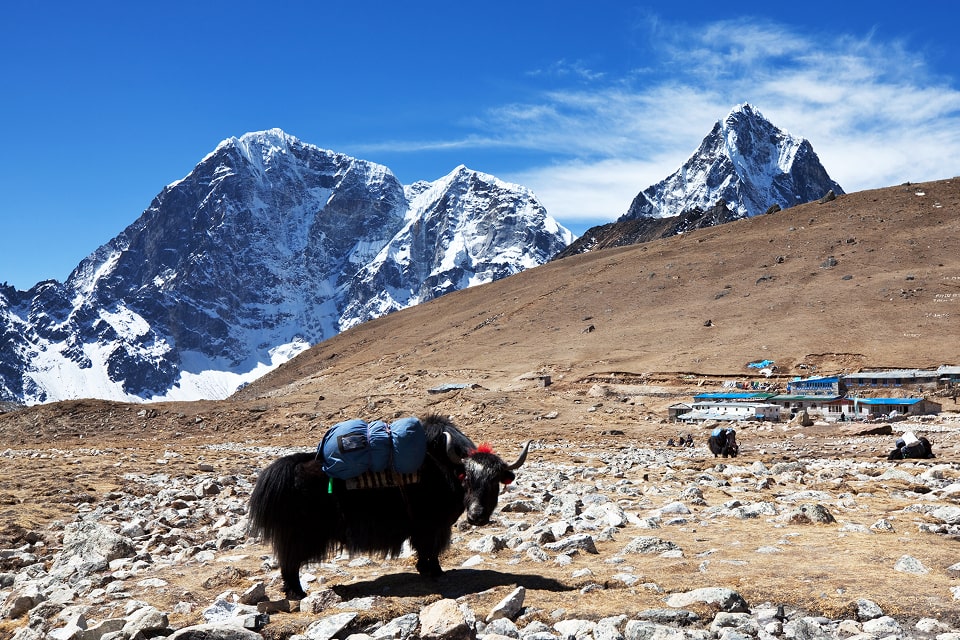
Desert plateaus

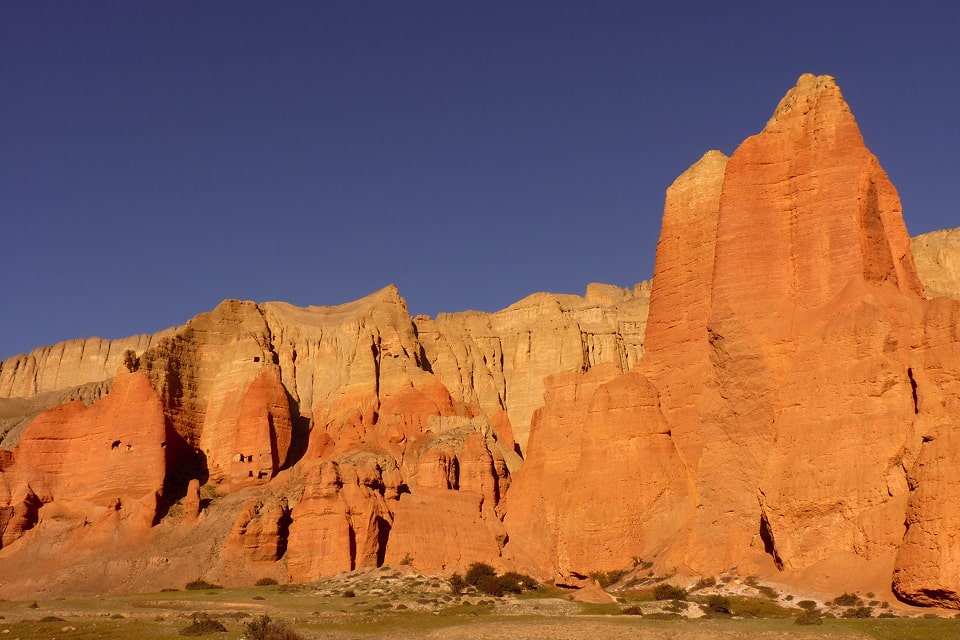
Eroded red cliffs

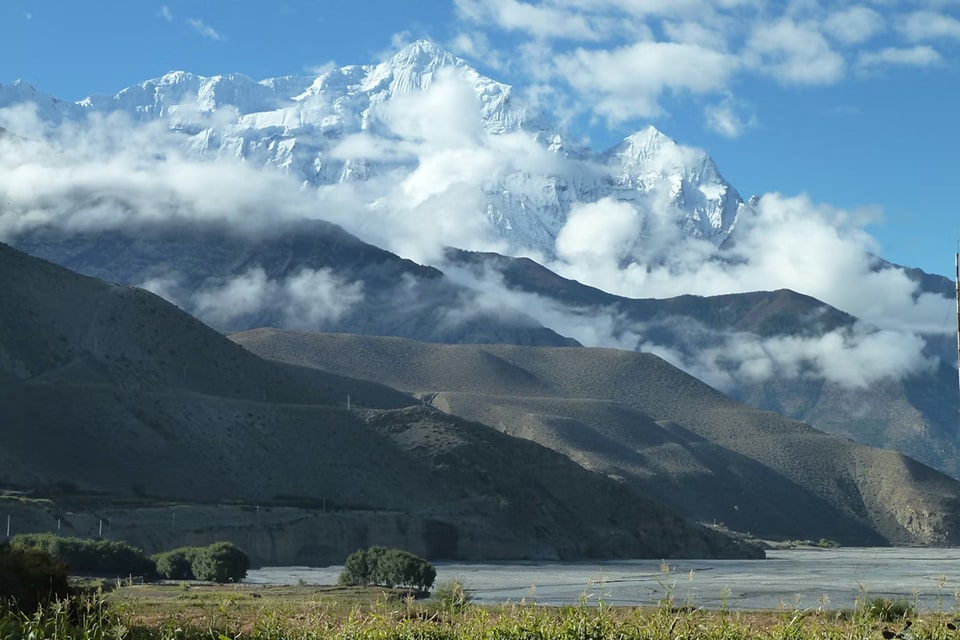
Small highland valleys
Places To See
Culture

Sparse alpine shrubs

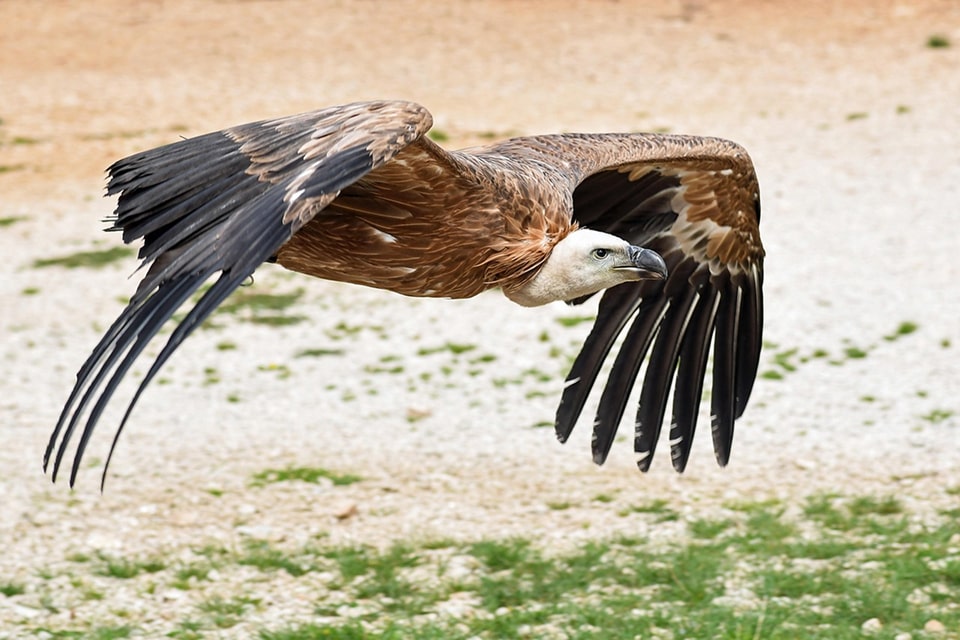
Himalayan griffons

Desert plateaus
Places To See
Floara Fauna

Sparse alpine shrubs

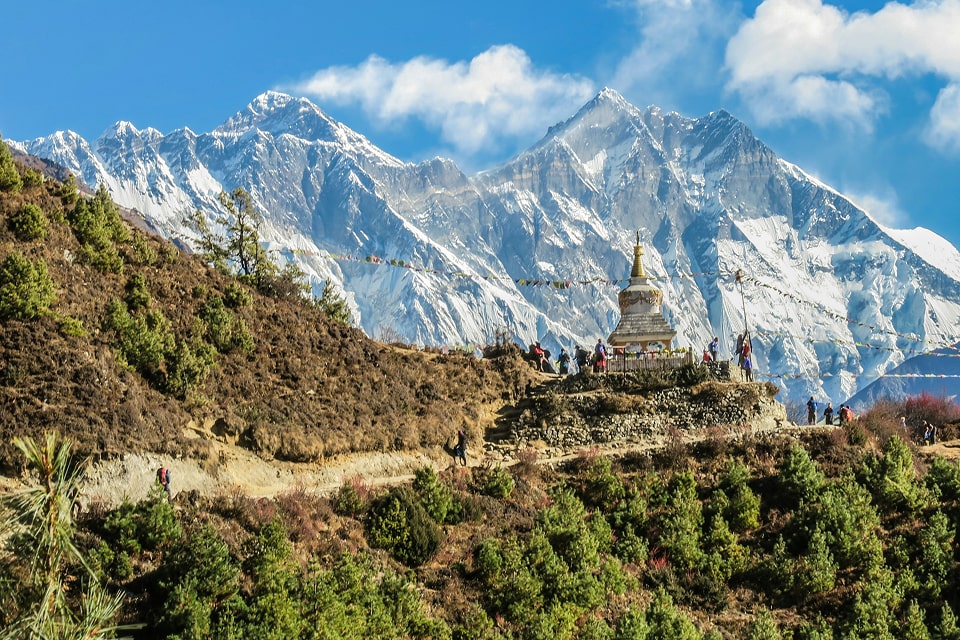
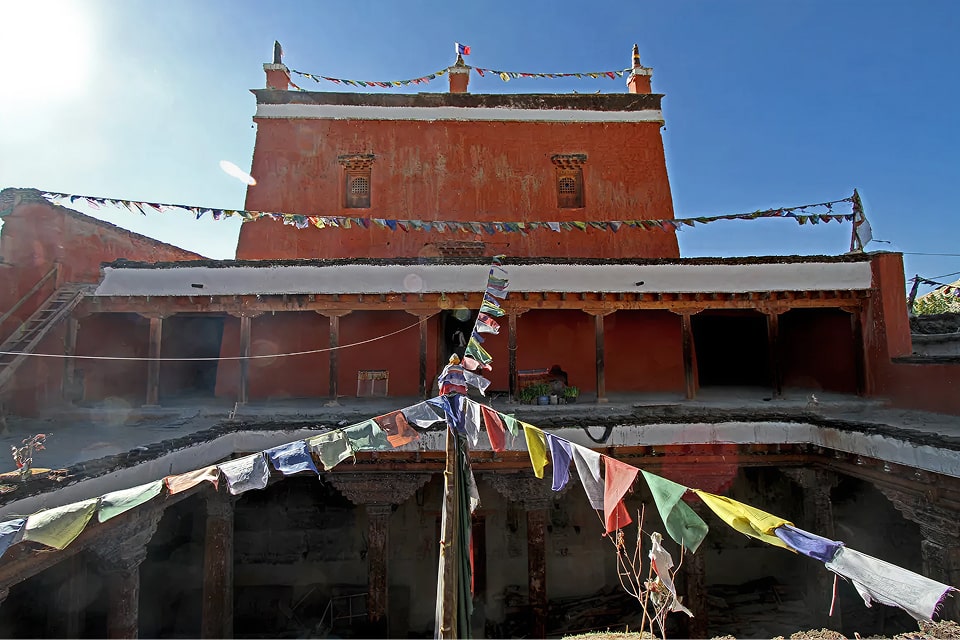
Jampa Gompa

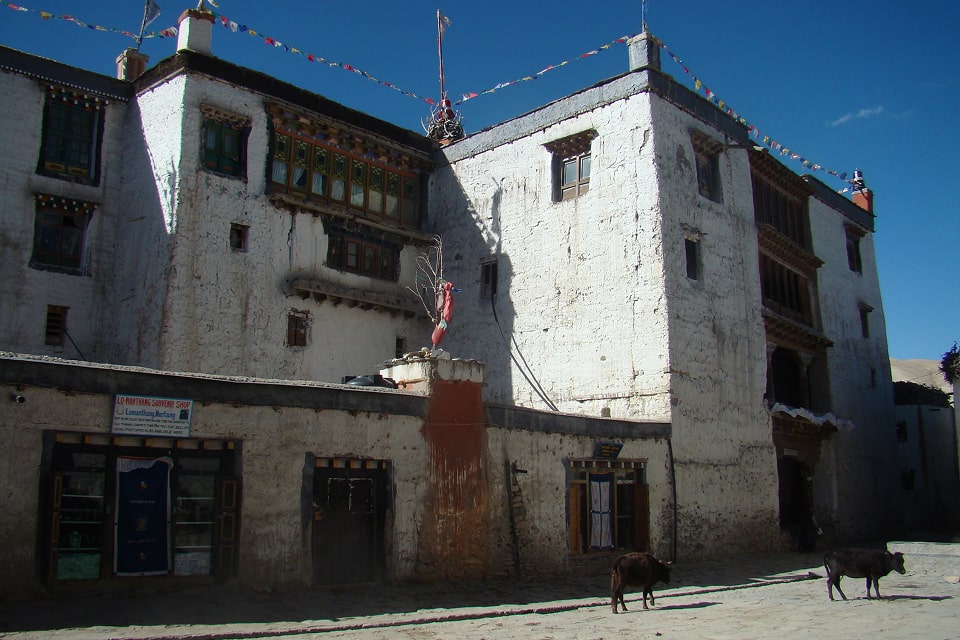
Traditional Thakali and Lopa settlements
Travel Information

Things to Carry:
- Clothing: Lightweight clothing in neutral tones; a warm layer for early mornings. .
- Gear: Binoculars, camera with zoom lens, insect repellent, sun protection.
- Documents: Reserve entry permits and guide authorizations.
- Health: Basic first-aid and mosquito precautions.
- Electronics: Power bank for limited charging access.
Activities & Experiences:
- Guided birding walks
- Riverboat excursions
- Grassland explorations
- Wildlife photography sessions
- Village interactions
- Slow-paced sunrise
- Sunset nature experiences
Places to See:
- Natural: Sapta Koshi River, floodplains, wetlands, river islands.
- Flora & Fauna: Reeds, grasses, aquatic plants; wild water buffalo, spotted deer, Gangetic dolphins, and more than 500 recorded bird species.
- Cultural: Riverside settlements and traditional fishing communities.
Travel Seasons
- Best Time: November to February, ideal for migratory birds and comfortable weather.
- Shoulder Months: October and March to April.
- Monsoon: June to August, when flooding may restrict access.
- Temperature Range: Roughly 8°C to 32°C across seasons.
People & Culture
- Communities: Tharu, Mallah, and hill-origin populations.
- Language: Nepali and regional dialects.
- Livelihoods: Fishing, agriculture, and river-based work.
- Food Culture: Simple, seasonal meals with rice, fish, and local produce.
Accommodation
- Comfort stays: Eco-lodges and nature resorts located near the reserve boundary.
- Basic options: Small guesthouses and community-run lodges in surrounding towns.
Practical Information
Entry permits and licensed guides are required for all reserve activities. Birdwatching is most rewarding early in the morning. Banking facilities are limited, so carrying cash is advised. Visitors are encouraged to follow wetland protection guidelines and seasonal travel advisories to support conservation efforts.