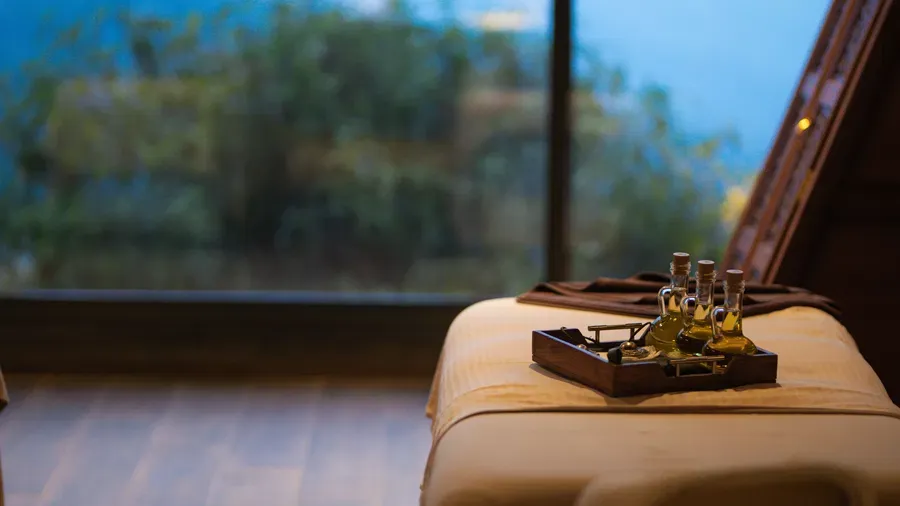
Nepal Tranquil Luxury Wellness Experience

starting-point
Destination
Nepal
Group Size
Group Size
Solo to 15
best season
High Season
Feb – Jun, Oct – Dec
best season
Low Season
Jan – Jul, Aug – Sep
Accommodation Standard
4 star and 5 Star

Itinerary

Arrival in Kathmandu | Welcome & Rest

Guests arrive in Kathmandu at different times and are met with personalized airport assistance at Tribhuvan International Airport. A private transfer brings guests to the iconic Dwarika’s Hotel, Kathmandu, a sanctuary of heritage, comfort, and calm. No activities are scheduled on this day, allowing the body and nervous system to recover fully from international travel. A quiet dinner and restful overnight stay prepare guests for the retreat journey ahead.

Kathmandu → Pokhara | Entering Himalayan Nature

A scenic domestic flight transports guests from Kathmandu to the tranquil Pokhara Valley, framed by the Annapurna Mountain Range. The journey marks a clear transition from urban life into nature and stillness. Upon arrival, guests are privately transferred to Sarangkot Mountain Lodge, perched above the valley with sweeping mountain views. The afternoon is reserved for rest and acclimatization. Evening concludes with a nourishing dinner in silence.

Pokhara (Sarangkot) | Awakening the Body

The day begins with silent sunrise meditation overlooking the Himalayas, grounding attention in breath and presence. Gentle body-oriented group practices support relaxation and reconnection. The remainder of the day is spacious, allowing time for rest, reflection, or quiet observation of nature. Evening meditation closes the day softly, supporting deep rest and integration.

Pokhara (Sarangkot) | Regeneration & Silence

This day is dedicated to personal restoration and nervous-system recovery. Individual energy-healing massage sessions are offered on a rotational basis, allowing each guest to receive care at their own rhythm. Extended silence supports deep inner listening and release. The mountain environment amplifies stillness and safety. The day ends quietly, without external stimulation.

Pokhara (Sarangkot) | Deep Release & Integration

Morning meditation and breath-based awareness practices support gentle physical and emotional release. Healing sessions continue, respecting each guest’s personal pace and boundaries. Optional slow nature walks allow the body to integrate naturally. The day unfolds without urgency, supported by the calm Himalayan surroundings. Evening remains quiet and grounding.

Pokhara (Sarangkot) | Completion of First Retreat Phase

The final day in Pokhara offers a soft and conscious closure of the first retreat phase. Morning meditation anchors the experiences of the previous days. Guests may participate in an optional group reflection, while silence remains fully respected. A simple closing ritual supports completion and readiness for transition. The atmosphere remains calm, spacious, and complete.

Pokhara → Kathmandu → Nagarkot | Elevation & Perspective

After breakfast, guests return to Kathmandu by domestic flight before continuing to the hill station of Nagarkot. En route, a quiet visit to Bhaktapur Durbar Square (UNESCO World Heritage Site) offers a cultural pause within the journey. The landscape gradually opens into wide Himalayan vistas. Arrival at Kavya Resort & Spa introduces an elevated, refined retreat setting. A short grounding meditation restores balance after travel.

Nagarkot | Balance & Expansion

Nagarkot’s high-ridge environment encourages spaciousness, clarity, and gentle expansion. Morning meditation aligns body and awareness with the surrounding Himalayan panorama. The day remains unstructured, with optional slow walks through nature or village paths. Evening silence supports deep integration. The rhythm stays soft, steady, and restorative.

Nagarkot | Stability & Inner Harmony

This day emphasizes continuity and inner balance rather than effort or intensity. Gentle group sessions support stabilization of energy and awareness. The natural environment invites rest, reflection, and presence. Guests may journal, rest, or simply observe the changing light and sky. Stillness becomes familiar and nourishing.

Nagarkot | Integration & Completion

The final retreat day focuses on integrating insights into daily life. Simple self-care and meditation tools are shared for ongoing support beyond the journey. A closing integration circle offers optional reflection in a safe and respectful space. The retreat concludes gently, without abrupt endings or emotional pressure. A sense of quiet completion settles naturally.

Nagarkot → Kathmandu | Departure

The journey ends with a peaceful morning in the hills. After breakfast, guests are privately transferred to Kathmandu airport for individual departures. Optional extensions can be arranged upon request. Guests leave feeling grounded, restored, and inwardly aligned.

Quick Enquiry

Inclusions

  • simple-icons_ticktick

    Accommodation (10 Nights Total):

    • 1 night at Dwarika’s Hotel, Kathmandu – Bed & Breakfast
    • 5 nights at Sarangkot Mountain Lodge, Pokhara – MAP (Breakfast & Dinner) with jungle activities)
    • 4 nights at Kavya Resort & Spa, Nagarkot – MAP (Breakfast & Dinner)
  • simple-icons_ticktick

    Transfers & Transportation:

    • All private airport and hotel transfers as per itinerary
    • Domestic flights: Kathmandu Pokhara – Kathmandu
    • Comfortable, air-conditioned private vehicles throughout
  • simple-icons_ticktick

    Wellness & Retreat Program:

    • Carefully curated 11-day super-luxury wellness retreat program
    • Daily gentle meditation and body-awareness sessions
    • Energy-based group sessions
    • Individual energy-healing massage sessions
    • Silence periods and guided integration practices
    • Simple self-care and meditation tools for daily life
  • simple-icons_ticktick

    Support & Services:

    • Full accompaniment throughout the journey
    • On-ground coordination and guest support
    • Discreet personal care and assistance
    • All applicable government taxes related to included services

Exclusions

  • x

    International airfare to and from Nepal

  • x

    Nepal visa fees

  • x

    Personal expenses (laundry, minibar, telephone calls, internet charges)

  • x

    Spa treatments or massages not included in the retreat program

  • x

    Room service outside included meals

  • x

    Alcoholic and non-alcoholic beverages

  • x

    Optional excursions or activities not mentioned in the itinerary

  • x

    Travel insurance (mandatory), including medical and emergency evacuation insurance

  • x

    Any services not clearly listed under “Inclusions”

  • x

    Tips and gratuities for hotel staff, drivers, guides, lodge personnel (at guest’s discretion)

Things to Carry

one-svg

Passport and Visa:

Carry a valid passport with at least six months’ validity. Obtain a tourist visa before arrival or on arrival at the airport or border crossings. Keep copies of your passport and visa separately in case of loss.
two

Travel Insurance:

Comprehensive travel insurance that covers medical emergencies, evacuation, and trip cancellations is crucial due to Nepal’s challenging terrain and limited medical facilities in remote areas.
three

Cash and Credit Cards:

While major cities and tourist hubs accept credit cards, Nepal is largely a cash-based society. Carry sufficient Nepalese Rupees (NPR) for daily expenses, especially in rural areas. ATMs are available in cities but may be scarce in remote regions.
four

Medications and First Aid Kit:

Bring any personal medications along with a basic first aid kit including antiseptic wipes, bandages, pain relievers, anti-diarrheal medicine, and altitude sickness medication if trekking at high elevations.
five

Camera and Accessories:

Nepal offers breathtaking scenery and cultural experiences. Bring a good camera with extra batteries and memory cards to capture your journey.
five

Modest and Layered Clothing:

Pack clothes that cover your shoulders and knees for cultural respect. Layered clothing is essential due to Nepal’s varying climate—warm clothes for cold mountain regions and lighter clothes for warmer lowlands.
seven-svg

Sunscreen and Insect Repellent:

High altitude increases exposure to UV rays, making sunscreen vital to prevent sunburn. Insect repellent helps protect against mosquitoes, especially in the warmer months and lower altitudes.
eight-svg

Trekking Gear:

If trekking, bring sturdy hiking boots, moisture-wicking clothing, a warm jacket, a hat, gloves, a backpack, and a reusable water bottle with a purification system. Proper gear ensures safety and comfort on rugged trails.
09

Electrical Adapters and Chargers:

Nepal uses type C, D, and M plugs with 230V voltage and 50Hz frequency. Carry a universal adapter and a portable power bank to keep your devices charged, as electricity supply can be intermittent.
10

Reusable Water Bottle:

Tap water is not safe to drink in Nepal. Carry a reusable bottle and use water purification tablets or filters to stay hydrated safely.

When to Travel ?

Best Sessions & Retreat Approach
  • Daily gentle meditation practices
  • Body-awareness and breath-based sessions
  • Energy-based group work
  • Individual healing massage sessions
  • Silence periods and integration practices
  • All sessions are guided in a safe, non-religious, and non-dogmatic framework, suitable for all experience levels.
Weather Conditions & Best Seasons
  • April – Spring
  • Mild to warm days, cool evenings
  • Clear mountain views and blooming rhododendrons
  • Ideal for meditation, nature walks, and sunrise sessions
  • Average Temperatures:
    Kathmandu: 18–26°C | Pokhara: 20–28°C
November – Autumn
  • Dry, crisp air with excellent visibility
  • Calm post-monsoon atmosphere
  • One of Nepal’s best seasons for Himalayan panoramas
  • Average Temperatures:
    Kathmandu: 15–23°C | Pokhara: 18–26°C

Dos

  • simple-icons_ticktick

    Respect Local Customs and Traditions: Nepal is home to diverse ethnic groups with deep-rooted cultural practices. Familiarize yourself with these customs to show respect. For example, greeting people with a traditional “Namaste” (pressing your palms together with a slight bow) is appreciated. Observing local etiquette, such as removing your hat when entering a temple, reflects cultural sensitivity.

  • simple-icons_ticktick

    Dress Modestly: Modesty in clothing is valued, especially in rural areas and religious sites. Wearing clothes that cover your shoulders and knees is advisable. This not only shows respect but also helps you blend in with the local environment, avoiding unwanted attention.

  • simple-icons_ticktick

    Remove Shoes at Religious Sites and Homes: It is customary in Nepal to remove your shoes before entering temples, monasteries, and private residences. This practice maintains cleanliness and shows reverence. Carrying a pair of clean socks or slip-on shoes can make this easier.

  • simple-icons_ticktick

    Practice Responsible Tourism: Nepal’s natural beauty is fragile. Avoid littering and use designated trails during treks to protect the environment. Carry reusable water bottles to reduce plastic waste. Supporting local businesses and artisans helps sustain the community economically.

  • simple-icons_ticktick

    Learn Basic Nepali Phrases: Simple greetings and polite expressions such as “Namaste” (hello), “Dhanyabad” (thank you), and “Kripaya” (please) create positive interactions. Locals appreciate when visitors make an effort to speak their language, even if only a few words.


Dont’s

  • x

    Disrespect Religious Sites and Beliefs: Nepal is predominantly Hindu and Buddhist, and religious sites are sacred. Avoid touching statues or sacred objects without permission, and never take photos where it is prohibited. Loud behavior or inappropriate attire inside temples can be offensive.

  • x

    Avoid Public Displays of Affection: Nepali society tends to be conservative. Public displays of affection such as kissing or hugging are generally frowned upon, especially in rural areas and near religious sites. Maintaining decorum in public spaces is respectful.

  • x

    Do Not Use Your Left Hand for Eating or Handing Items: In Nepali culture, the left hand is traditionally considered unclean because it is used for personal hygiene. Always use your right hand when eating, giving, or receiving items to avoid causing offense.

  • x

    Refrain from Giving Money or Sweets to Street Children: Although it may seem kind, giving money or sweets to children begging on the streets can encourage dependency and discourage school attendance. Instead, support reputable local charities focused on education and welfare.

  • x

    Respect Local Customs During Festivals: Nepal hosts many vibrant festivals throughout the year, such as Dashain and Tihar. Participate respectfully by observing local traditions and following guidance from community members. Avoid disruptive behavior that might spoil the festive spirit.

Prohibited Items in Nepal:

  • simple-icons_ticktick
    Illegal drugs and narcotics: All forms of illegal substances such as heroin, cocaine, methamphetamines, cannabis, and synthetic drugs are strictly banned. Possession, trafficking, or use of these drugs can lead to heavy fines, imprisonment, or even capital punishment in severe cases.
  • simple-icons_ticktick
    Firearms, ammunition, and explosives: Importing or possessing guns, rifles, ammunition, bombs, explosives, and fireworks without explicit government authorization is illegal. This includes replicas and parts of weapons, aimed at preventing violence and maintaining public safety.
  • simple-icons_ticktick
    Pornographic and obscene materials: Materials considered obscene or pornographic, including magazines, videos, DVDs, and digital content, are prohibited. The government restricts these to uphold cultural and moral standards.
  • simple-icons_ticktick
    Counterfeit goods: Fake currency, pirated software, counterfeit branded products (clothing, electronics, accessories) are banned. Customs actively intercepts such items to protect consumers and legitimate businesses.
  • simple-icons_ticktick
    Endangered wildlife and plant products: Items made from protected species such as ivory, rhino horns, tiger skins, exotic woods, and animal derivatives are illegal under national laws and international treaties like CITES. This protects biodiversity and prevents illegal wildlife trade.
  • simple-icons_ticktick
    Hazardous chemicals: Toxic, flammable, radioactive, or otherwise dangerous chemicals require special permits. Unauthorized import or possession is prohibited to avoid environmental damage and public health risks.
  • simple-icons_ticktick
    Materials promoting terrorism or violence: Any publications, digital content, or items that incite terrorism, violence, hate speech, or subversion against the state are banned to maintain law and order.
  • simple-icons_ticktick
    Protected religious and cultural artifacts: Certain antiques, religious statues, manuscripts, and cultural relics are protected by law. Unauthorized export or import is forbidden to preserve Nepal’s cultural heritage.

Restricted Items in Nepal:

  • x
    Alcoholic beverages and tobacco: Travelers may bring limited quantities for personal use, subject to customs duties and declaration. Commercial import requires licenses, excise tax compliance, and adherence to age restrictions.
  • x
    Medicines and pharmaceuticals: Some medicines require prescriptions and import permits, especially controlled substances and psychotropic drugs. Travelers must carry prescriptions and declare medicines at customs to avoid confiscation.
  • x
    Drones and unmanned aerial vehicles: Import and operation of drones require prior approval from the Civil Aviation Authority of Nepal. Regulations govern flight zones, privacy, and safety to prevent misuse.
  • x
    Cultural antiques and archaeological artifacts: Importing or exporting antiques and archaeological items requires government permits to prevent illegal trafficking and protect national heritage.
  • x
    Food, plants, seeds, and animal products: These are subject to quarantine and import restrictions to prevent the introduction of pests, diseases, and invasive species. Customs may confiscate prohibited agricultural products.
  • x
    Large sums of currency: Amounts exceeding approximately USD 5,000 or equivalent must be declared at customs to prevent money laundering and illegal financial transactions.
  • x
    Electronic devices: Certain communication equipment, encryption tools, and radio transmitters require licenses or government approval before import or use to ensure compliance with national security and communication regulations.

Why Partner with Going Nepal?

Partnering with Going Nepal B2B Luxury DMC provides significant benefits for businesses looking to offer high-end travel experiences. The partnership combines expert knowledge, personalized service, and exclusive access to premium properties, ensuring clients receive exceptional and tailored journeys.

Specialized Expertise

Deep knowledge of luxury travel and wellness services in Nepal and Bhutan, connecting clients with trusted local experts.

Collaboration to Premium Accommodations

A carefully selected range of luxury hotels, lodges, and retreats that meet high standards of quality and comfort.

Customized Travel Solutions

Flexible itinerary planning tailored to meet the unique needs and preferences of clients.

Reliable On-Site Management

Professional local support to ensure seamless operations and a hassle-free experience.

Focus on Authenticity and Sustainability

Commitment to genuine cultural experiences and responsible tourism practices.

Privacy and Discretion

Respect for client confidentiality and personalized service for discerning travelers.

Transparent Pricing and Expertise

Clear pricing models combined with thorough destination knowledge to build trust and confidence.

Integrated Travel Experiences

Combining wellness, culture, nature, and luxury elements to create well-rounded travel experiences.

Experience with High – End Clients

Proven ability to serve affluent travelers with high expectations for quality and service.

Let’s Plan Your Trip
ceo
Want to tailor this trip to your preferences or need more details? Our travel expert is just a message away.
whatsapp +977-9851032961
mail info@goingnepal.com
mail ceo@goingnepal.com
mail goingnepal@gmail.com